From the studio archive. Prices and treatment advice in older articles may have changed. Check the current menu and discuss care with your specialist.
Living in or visiting Bali comes with incredible perks—stunning beaches, lush rice terraces, and a vibrant culture. However, the island's tropical climate presents unique challenges for maintaining healthy, beautiful nails. The combination of high humidity, intense sun exposure, and frequent water activities can wreak havoc on your manicure and overall nail health.
Whether you're a digital nomad settling in Ubud, an expat calling Bali home, or a tourist enjoying an extended stay, this comprehensive guide will help you maintain salon-perfect nails despite the tropical conditions.
Understanding Bali's Climate and Its Effect on Your Nails
Bali's tropical climate is characterized by high humidity levels (averaging 75-85%), temperatures ranging from 26-30°C year-round, and distinct wet and dry seasons. This environment affects your nails in several ways:
High Humidity Impact: Excessive moisture in the air causes nail products to cure differently and can lead to lifting, chipping, and reduced wear time. Your natural nails may also become softer and more prone to peeling.
Sun Exposure: UV rays can cause discoloration of both natural nails and polish, leading to yellowing and fading. Extended sun exposure also dries out the nail bed and cuticles.
Water Activities: Whether you're surfing in Canggu, diving in Amed, or swimming in Ubud's natural pools, constant exposure to water (especially saltwater and chlorinated pools) weakens nail structure and compromises polish adhesion.
Sweat and Heat: The warm climate means your hands sweat more, creating a moist environment that can harbor bacteria and fungi around the nail area.
The Essential Bali Nail Care Routine
Daily Maintenance
Morning Ritual:
- Wash hands with lukewarm water and gentle soap (avoid hot water which can dry nails)
- Apply cuticle oil immediately after washing—humidity actually helps absorption
- Massage a nourishing hand cream focusing on the nail bed and cuticles
- Apply SPF hand cream if you'll be outdoors (yes, your hands need sun protection too!)
Evening Ritual:
- Remove any dirt or residue accumulated throughout the day
- Apply a thicker, more intensive cuticle oil or treatment
- Massage hands and nails for 2-3 minutes to improve circulation
- Consider wearing cotton gloves to bed once a week for deep moisture treatment
Weekly Deep Care
Healthy, hydrated nails - the result of consistent daily care in tropical weather
Nail Strengthening Treatment (Once Weekly):
- Remove all polish and let nails breathe for at least one day per week
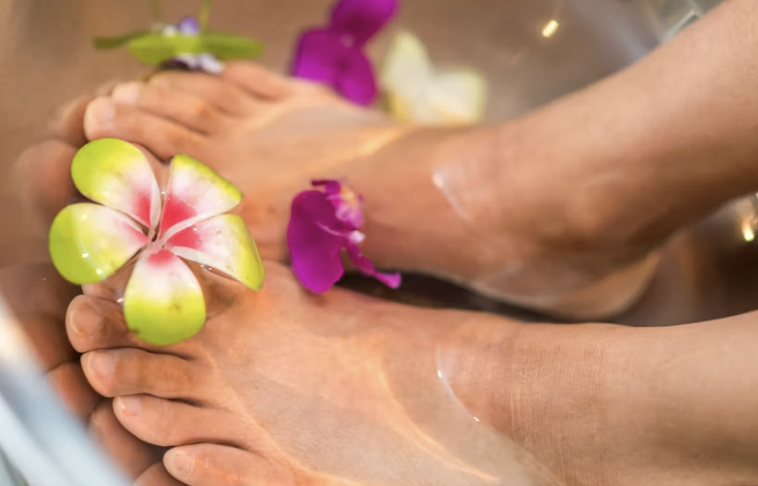
- Soak nails in a mixture of warm water, sea salt, and a few drops of tea tree oil (10 minutes)
- Gently push back cuticles—never cut them, as they protect against infection in humid climates
- Apply a nail strengthener or keratin treatment
- Buff nails gently to improve circulation and smooth the surface
Exfoliation and Hydration:
- Exfoliate hands with a gentle scrub to remove dead skin cells
- Pay special attention to knuckles and cuticles where dry skin accumulates
- Apply a rich hand mask or treatment
- Wrap hands in warm, damp towels for 10 minutes to enhance absorption
Choosing the Right Products for Tropical Climates
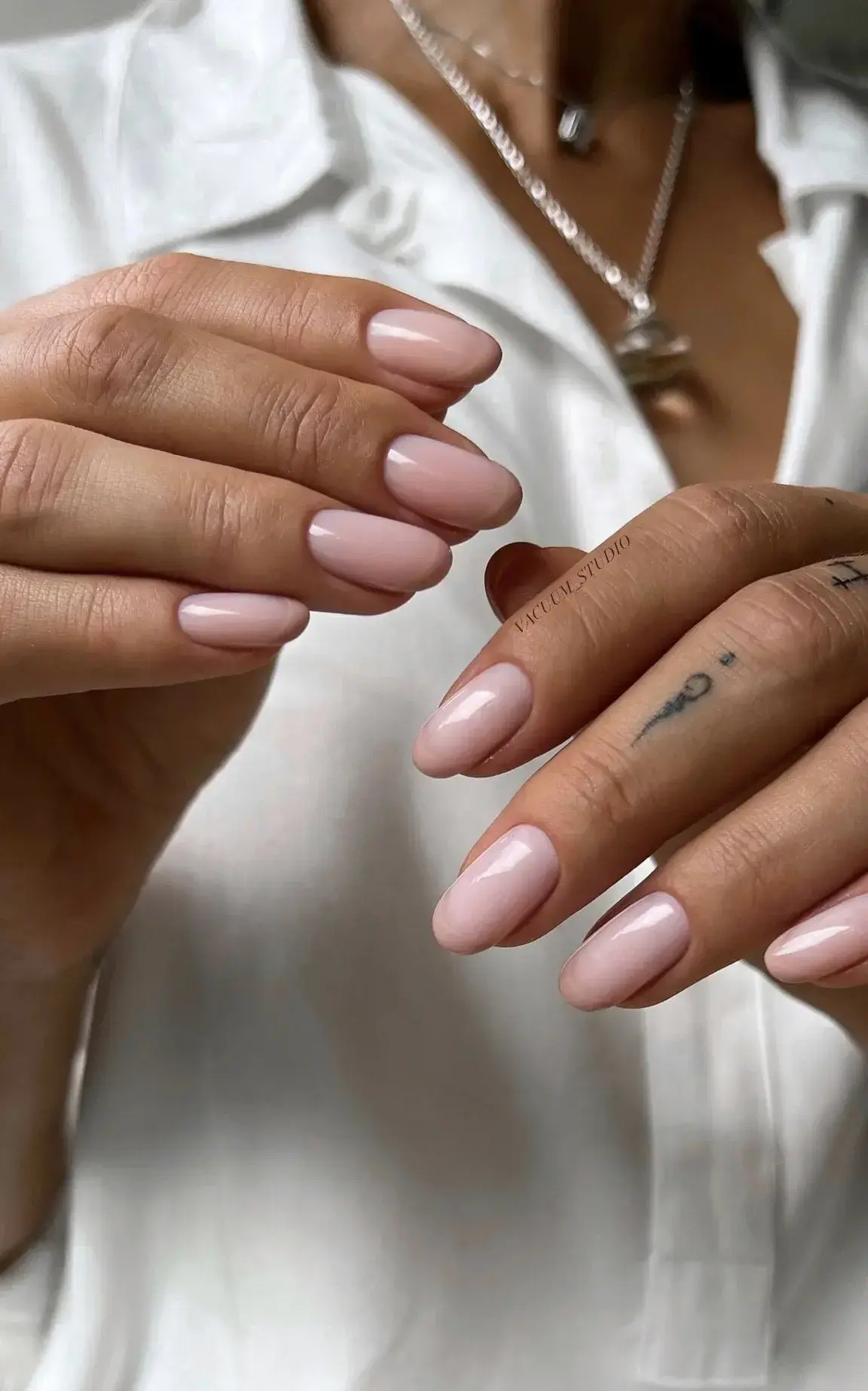
Light, reflective colors ideal for Bali's sunny dry season
What to Look For
HEMA-Free Formulas: In tropical climates, HEMA-free products are essential. These formulas are gentler on nails and less likely to cause allergic reactions, which are more common in humid environments. At Vacuum Beauty Studio in Ubud, we exclusively use HEMA-free products for this reason.
Gel Polish vs. Regular Polish: For Bali's climate, gel polish is generally superior:
- Lasts 2-3 weeks even with water exposure
- Cures under UV light for maximum durability
- Resists humidity-related lifting
- Protects natural nails from environmental damage
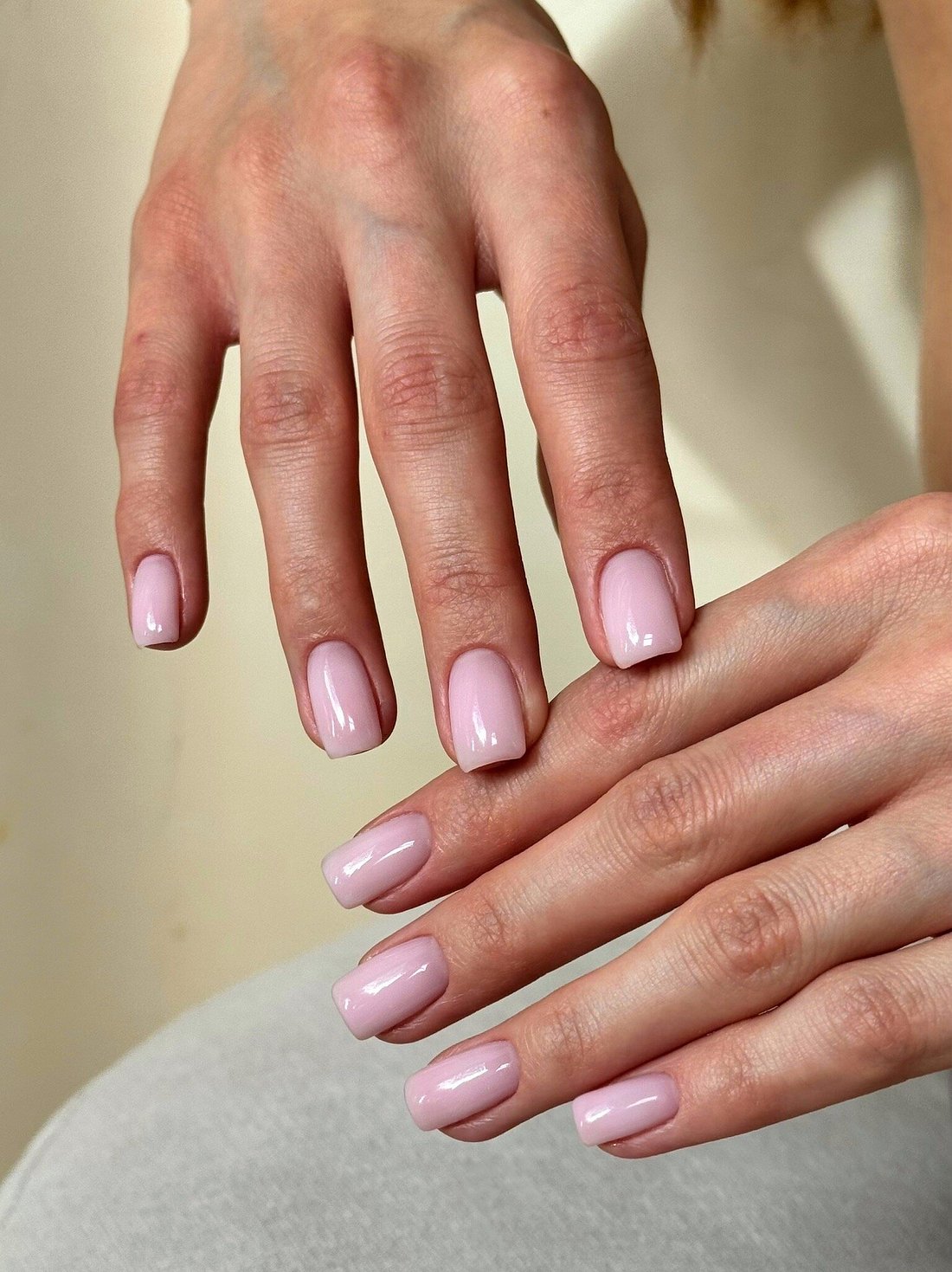
Rich, glossy gel polish that withstands Bali's heat and humidity
However, gel polish requires professional removal to avoid nail damage.
Hard Gel for Extra Protection: If you have weak or damaged nails, hard gel provides an additional protective layer that's particularly beneficial in tropical climates. It adds strength without the bulk of acrylics and better withstands humidity.
Products to Avoid
- Formaldehyde-based strengtheners (too harsh for the already-stressed tropical nail)
- Acetone-heavy removers (extremely drying in hot climates)
- Cheap polish that lacks proper sealers
- Oil-based cuticle products immediately before polish application (causes lifting)
Professional Care: How Often Should You Visit the Salon?
In Bali's climate, professional maintenance is crucial for optimal nail health:
Manicures: Every 2-3 weeks for gel polish, every 7-10 days for regular polish
Pedicures: Every 3-4 weeks, or more frequently if you're often barefoot or wearing sandals
Cuticle Care: Professional cuticle treatment monthly to prevent overgrowth and infection
Benefits of Professional Care in Tropical Climates:
- Proper sterilization (critical in humid environments where bacteria thrive)
- Expert application techniques that account for humidity
- Quality products formulated for durability
- Professional assessment of nail health issues before they worsen
At our studio in Kedewatan, Ubud, we use medical-grade autoclave sterilization and climate-appropriate techniques to ensure your manicure not only looks beautiful but lasts longer in Bali's challenging conditions.
Special Considerations for Bali Living
For Active Lifestyles
High-shine gel polish that stays flawless through Bali's beach and water activities
If you surf, dive, or practice yoga regularly:
- Keep nails slightly shorter to prevent breaking
- Apply cuticle oil before and after water activities
- Choose neutral or sheer colors that hide chips better
- Consider a Japanese manicure for a natural, healthy look that doesn't show wear
For Digital Nomads
Spending hours typing in air-conditioned cafes then transitioning to humid outdoors:
- Keep hand cream at your workspace
- Take breaks to massage hands and improve circulation
- Protect hands from excessive AC drying with regular moisturizing
- Schedule regular professional treatments to counteract constant hand washing
Rainy Season (October-March)
Extra moisture in the air requires adjusted care:
- Increase cuticle oil application to 3 times daily
- Ensure nails are completely dry before polish application
- Allow extra curing time for gel polish
- Watch for signs of fungal infection (discoloration, thickening)
Dry Season (April-September)
While less humid, this season brings intense sun:
- Never skip SPF on hands
- Increase hydration (internally and externally)
- Consider lighter polish colors that reflect heat
- Use richer moisturizers to combat sun-induced dryness
Diet and Hydration for Healthy Nails
Your nail health reflects your overall wellness. In Bali's heat:
Hydration is Critical:
- Drink 2.5-3 liters of water daily
- Include coconut water for electrolyte balance
- Limit alcohol and caffeine which dehydrate
Nail-Strengthening Foods:
- Biotin-rich foods: eggs, sweet potatoes, nuts
- Protein: tempeh, fish, lean meats available at local warungs
- Omega-3s: abundant in Bali's fresh fish
- Iron and zinc: found in local green vegetables and legumes
- Vitamin E: avocados, which are plentiful in Bali
Troubleshooting Common Tropical Nail Problems
Problem: Polish Chipping Within Days
Solution:
- Switch to gel polish for better adhesion
- Ensure nails are completely clean and dry before application
- Avoid oil-based products for 24 hours before your manicure
- Apply thin coats rather than thick layers
- Seal the free edge properly
Problem: Yellowing Nails
Solution:
- Use a base coat always
- Take weekly polish breaks
- Soak nails in lemon juice and baking soda mixture
- Increase SPF protection on hands
- Consider lighter polish colors
Problem: Peeling or Splitting Nails
Solution:
- Increase protein and biotin intake
- Never use nails as tools
- Keep nails hydrated with regular oil treatments
- Avoid harsh chemicals and excessive water exposure
- Get professional strengthening treatments
Problem: Fungal Infections
Solution:
- Ensure complete drying after water exposure
- Use antifungal powder in closed shoes
- Never share nail tools
- Visit a professional immediately if you notice discoloration or thickening
- Ensure your salon uses proper sterilization (autoclave is essential)
The Vacuum Beauty Studio Approach
At our beauty studio in Ubud, we've developed specialized techniques specifically for Bali's tropical climate:
Climate-Adapted Application: Our masters adjust application methods based on daily humidity levels, ensuring optimal curing and adhesion.
Premium HEMA-Free Materials: We use only certified, safe products that perform excellently in humid conditions while protecting your nail health.
Three-Stage Sterilization: Our medical-grade autoclave ensures complete instrument sterilization—crucial in Bali's bacteria-friendly climate.
Individual Approach: We assess each client's lifestyle, activities, and nail condition to recommend the best treatment and maintenance schedule.
Relaxation Included: Every service includes a massage and comfortable environment, because nail care should be a wellness ritual, not just maintenance.
Creating Your Personalized Routine
Everyone's nails respond differently to tropical climates. Here's how to build your ideal routine:
- Assess Your Baseline: Start with professional nail evaluation to understand your nail type and current health
- Choose Your Service Level: Decide between regular polish (weekly maintenance), gel polish (bi-weekly), or hard gel (monthly)
- Establish Daily Habits: Commit to morning and evening cuticle oil application
- Schedule Regular Professional Care: Book recurring appointments to maintain optimal health
- Monitor and Adjust: Track how your nails respond and adjust products/frequency accordingly
Frequently Asked Questions
How long should gel polish last in Bali's climate? With proper application and care, gel polish should last 2-3 weeks in Bali. If you experience lifting or chipping sooner, consult your nail technician about application adjustments or try hard gel for extra durability.
Is it safe to get manicures frequently in tropical climates? Yes, when done at a salon with proper sterilization protocols. At Vacuum Beauty Studio, we use autoclave sterilization and disposable consumables to ensure complete safety.
Should I take breaks from polish? Ideally, allow nails to breathe for 24-48 hours between manicures. However, with quality, HEMA-free products and proper care, continuous polish wear is generally safe.
What's the best manicure style for active beach life? Shorter nails with gel polish in neutral tones work best. Consider Japanese manicure for a natural, strengthened look that doesn't show chips.
How can I tell if my nail salon is safe? Look for: visible autoclave sterilization equipment, use of disposable files and buffers, clean workstations, HEMA-free product certification, and technicians who wash hands between clients.
Conclusion: Embrace the Tropical Nail Care Journey
Maintaining beautiful, healthy nails in Bali's tropical climate requires more attention than in temperate environments, but the results are absolutely achievable. By understanding how humidity, sun, and water affect your nails, choosing appropriate products, and establishing consistent care routines, you can enjoy salon-perfect nails year-round.
The key is consistency—daily cuticle oil application, regular professional maintenance, and lifestyle adjustments make all the difference. Whether you're catching waves in Canggu, teaching yoga in Ubud, or exploring temples in Gianyar, your nails can look as stunning as the island itself.
Ready to experience tropical nail care done right? Visit Vacuum Beauty Studio at Jl. Raya Lungsiakan No.99, Kedewatan, Ubud, where our expert team understands exactly what your nails need to thrive in Bali's beautiful but challenging climate.
Book your appointment:
- WhatsApp: +62 812-3745-4509
- Email: vacuum.studio.bali@gmail.com
- Online booking: https://n817440.alteg.io/