Материал из архива студии. Цены и рекомендации в старых статьях могли измениться. Сверьтесь с актуальным меню и обсудите уход со специалистом.
Полный архивный текст этой статьи — на английском.
Ubud has built its reputation on slowing down — rice terrace views, long yoga sessions, and a wellness culture that treats self-care as routine rather than indulgence. A pedicure fits naturally into that rhythm, but it's worth treating like more than a cosmetic top-up. Your feet carry your entire body weight, and a good pedicure salon in Ubud, Bali does real maintenance work on them, not just polish.
This guide covers what a pedicure actually involves, the health side most people never ask about, the hygiene standards worth checking before you sit down, and exactly what to expect from a manicure-pedicure appointment at Vacuum Studio.
What Exactly Is a Pedicure?
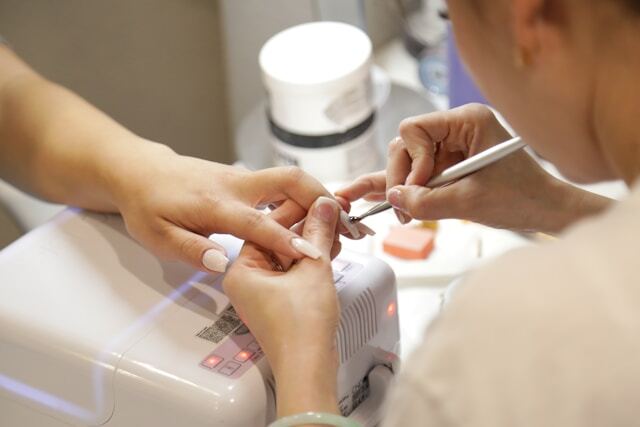
A pedicure is a foot treatment that goes beyond nail polish. A typical session includes a soak, nail trimming and shaping, cuticle care, callus and dead-skin management, a foot massage, and a polish or gel finish. Salons generally offer a few variations:
- Classic pedicure — soak, trim, shape, cuticle care, light exfoliation, and regular polish.
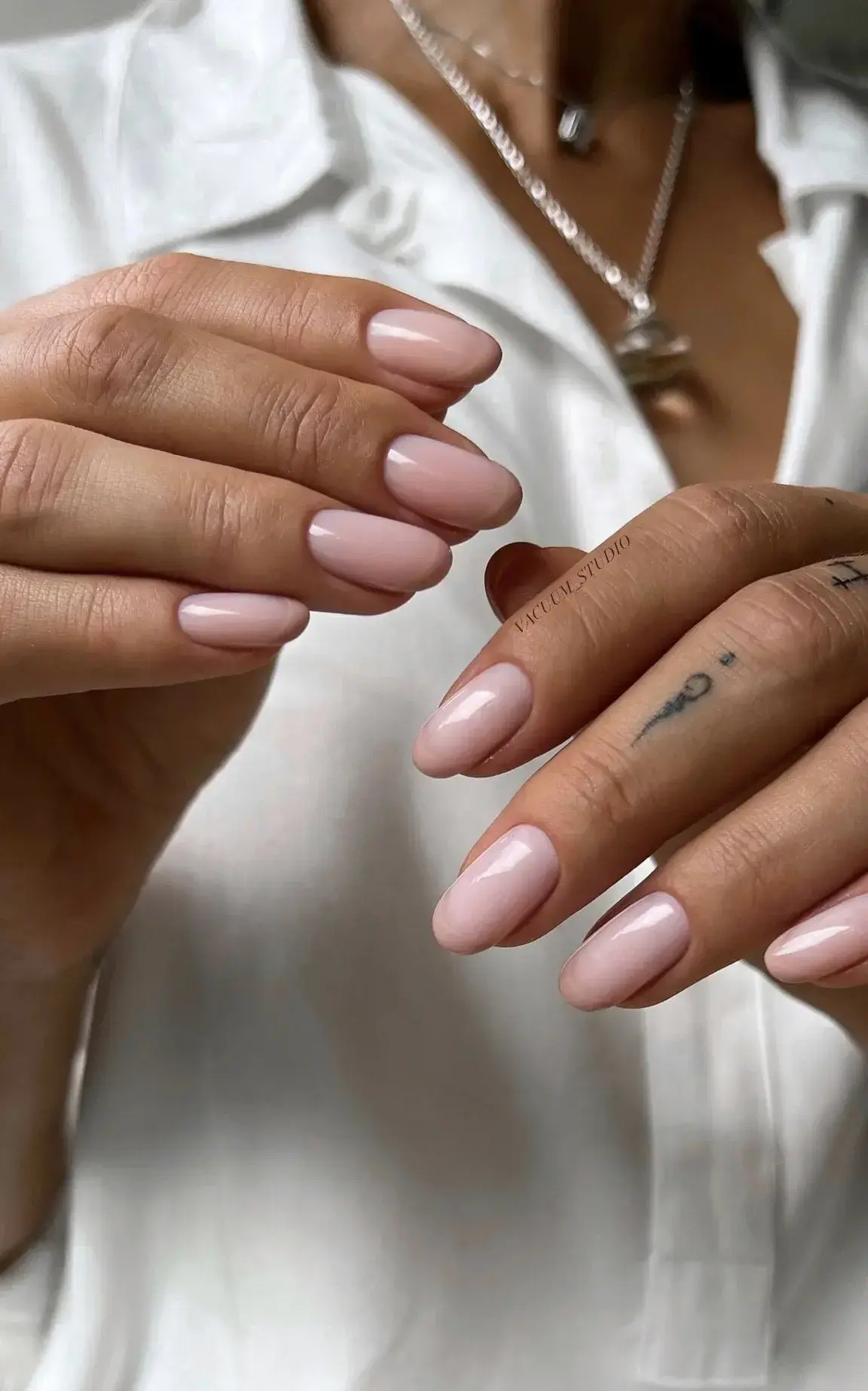
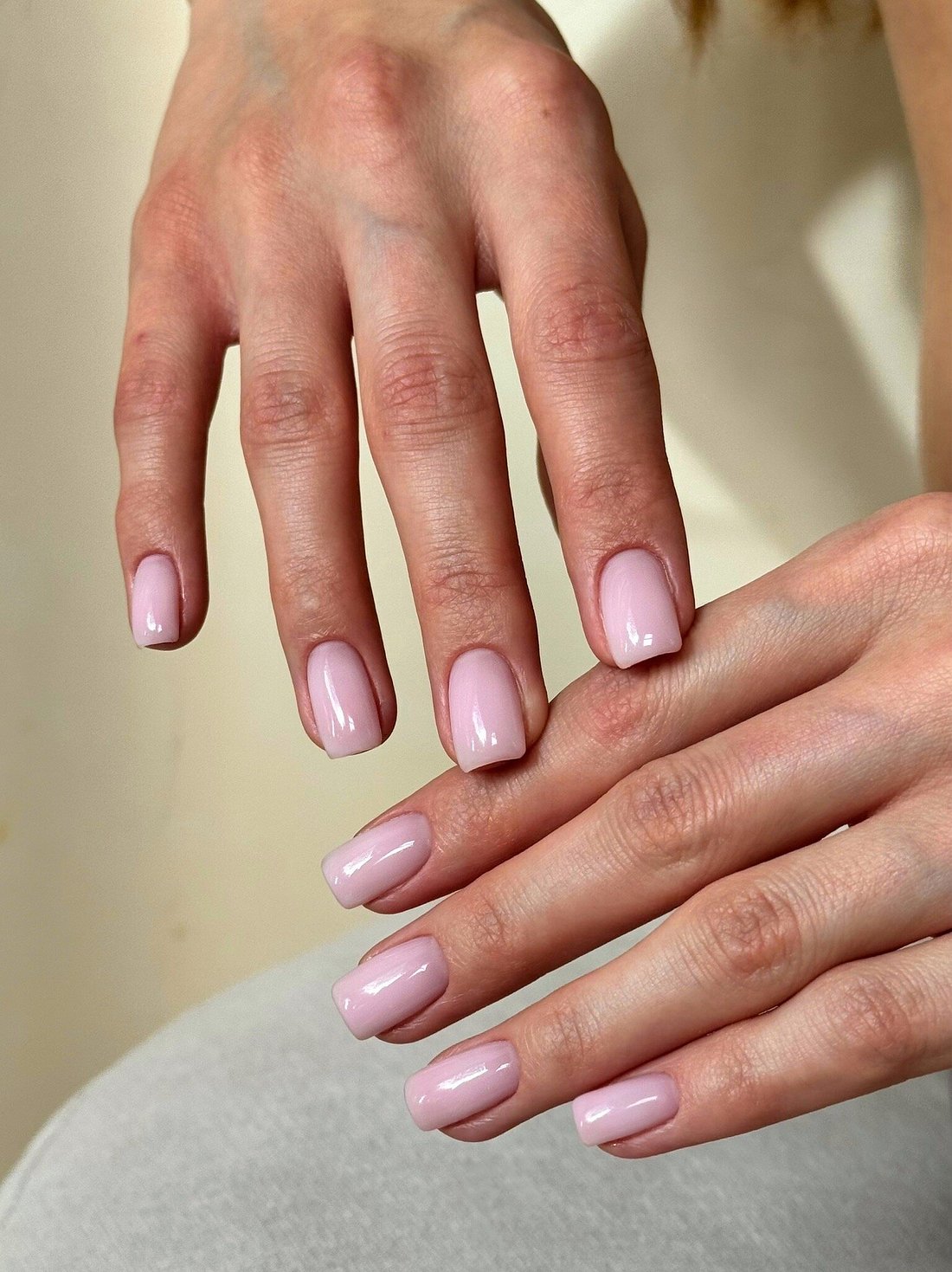
- Gel pedicure — the same treatment finished with a UV- or LED-cured gel polish that resists chipping for two to three weeks instead of the few days a regular polish typically lasts.
- Spa or deluxe pedicure — adds an extended massage, mask, or paraffin treatment for deeper relaxation.
- Medical pedicure (medi-pedi) — a more clinical version, often performed by a podiatrist or trained technician, focused on corns, calluses, ingrown nails, and other foot conditions rather than aesthetics (Healthline, Achilles Foot and Ankle Center).
Most people booking a "pedicure ubud" search are looking for the classic or gel version — and that's the focus of the rest of this guide.
Why a Pedicure Is About More Than Pretty Toes
Feet are one of the most neglected parts of routine self-care, which is part of why podiatrists actively encourage regular pedicures rather than treating them as purely cosmetic. Brown University Health notes that a professional pedicure can catch early signs of common foot problems — thickened or discolored nails, fungal infections, cracked heels, calluses, and ingrown toenails — often before they become painful (Brown University Health).
Regular callus and dry-skin management also matters more in a tropical climate. Open sandals, humidity, and a lot of walking (Ubud's rice-terrace paths and cobblestone lanes included) accelerate calluses and cracked heels, so a monthly pedicure isn't just cosmetic maintenance — it's practical foot care for the lifestyle.
Pedicure Safety: What a Good Salon Should Always Do
This is the part most guides skip, and it's the part that actually protects you. Because pedicures involve shared foot baths and tools, hygiene standards vary a lot between salons. The American Podiatric Medical Association (APMA) and the CDC both publish specific guidance:
- Tools should be sterilized before every client. The CDC recommends nail grooming tools be cleaned and sterilized before use in any commercial setting, since unsterilized tools are a primary route for cross-contamination between clients (CDC).
- Foot baths should be cleaned between clients — and, per the APMA, are typically cleanest earlier in the day, which is why podiatrists often suggest booking a morning appointment (APMA).
- Nail clippers with a straight edge are safer than scissors or heavily rounded cuts, which raise the risk of ingrown toenails.
- Foot razors/graters for callus removal are a red flag. The APMA specifically advises against letting technicians use a foot razor on dead skin, since it can cause permanent damage or introduce infection — a pumice stone or foot file after a proper soak is the safer method.
- Cuticles should be pushed back, never cut. Cuticles act as a barrier against bacteria; cutting them removes that protection.
- Feet should be dried completely between the toes afterward to prevent fungal infections.
- Never share nail files or emery boards across clients.
None of this is meant to make pedicures sound risky — millions of people get them safely every week — but it's a reasonable, evidence-based checklist to keep in mind, especially if you're moving between several salons while traveling through Bali.
Pedicures for Diabetics and Sensitive Skin
If you manage diabetes or a circulatory condition, a pedicure is still generally fine — it just needs a few adjustments. Scripps Health outlines specific precautions worth following:
- Skip the pedicure if you currently have open sores, active infection, redness, swelling, significant nerve damage, or a history of foot ulcers.
- Avoid shaving your legs for a day or two before the appointment, since small nicks are an easy entry point for infection.
- Confirm the salon sterilizes reusable tools (ideally with an autoclave) and uses single-use liners or thoroughly disinfects foot baths between clients.
- Tell your technician about your condition and ask for straight-across trimming, gentle filing, and cuticles left intact rather than cut.
- Afterward, watch for redness, swelling, drainage, or increasing pain, and contact a doctor promptly if any appear (Scripps Health).
The APMA echoes this: anyone with diabetes or a circulatory issue should loop in a podiatrist for a pedicure protocol tailored to their feet.
Gel Pedicures and the UV Lamp Question
Gel pedicures are popular because the finish holds up far longer than regular polish, but the UV-curing lamp used to set gel polish is a fair question to ask about. Research summarized by MD Anderson Cancer Center found that a single salon visit's UV exposure is minimal, and the overall skin cancer risk from nail lamps "appears to be low" — but exposure adds up over years for people who get gel manicures or pedicures regularly, particularly those with fair skin or a prior skin cancer diagnosis (MD Anderson).
If you're a frequent gel client, dermatologists suggest three simple precautions: apply a broad-spectrum sunscreen to your hands (or feet, for a pedicure) before the UV lamp, use fingerless UV-protective gloves if your salon offers them, or switch to non-UV alternatives like regular polish or dip powder occasionally.
There's a second, less-discussed reason some salons are moving toward HEMA-free gel formulas: HEMA (hydroxyethyl methacrylate) is a common acrylate in gel polish and a recognized cause of contact allergy in both clients and technicians with repeated exposure. HEMA-free formulations are becoming more widely available as a lower-irritation alternative — worth asking about if you've ever reacted to gel polish before.
What to Expect at Vacuum Studio
Vacuum Studio is a modern beauty studio in Kedewatan, Ubud (Jl. Raya Lungsiakan No. 99, Kecamatan Ubud, Kabupaten Gianyar), built around clean aesthetics and a relaxed, unhurried appointment — think aromatic coffee, matcha, or tea, and the option to put on a show while you're treated.
Pedicure options at the studio include:
- Full foot and toe treatment with gel polish
- Toes-only treatment with gel polish
- Foot and toe treatment without gel (regular polish or bare finish)
- Foot and toe treatment with regular polish
- A four-handed option (two technicians at once) for a faster appointment
Manicure options run in parallel, from gel and regular polish to a no-polish finish, plus a Japanese manicure and add-ons like hard gel or French tips — useful if you're booking a combined manicure-pedicure ubud appointment in one visit.
Pricing is tiered by technician experience level (Junior Master, Master, and Top-Master), so the same service costs slightly more with a more senior technician. As with most Ubud spas, exact rates are best confirmed directly with the studio via WhatsApp or email when booking, since tiered pricing can shift treatment to treatment.
A typical visit follows the sequence outlined above — soak, shaping, cuticle care, exfoliation, massage, and polish — with the studio's own sanitation routine between clients. Walk-ins are sometimes accommodated, but booking ahead is recommended to guarantee your preferred time and technician tier.
How Often Should You Get a Pedicure?
There's no universal rule, but a few practical guidelines help:
- Regular polish pedicures: roughly every 2–3 weeks, since polish chips faster and calluses redevelop steadily in sandals and open shoes.
- Gel pedicures: every 3–4 weeks, timed to nail growth and gel wear rather than polish chipping.
- Medical or problem-focused pedicures: as recommended by a podiatrist, often more frequent if you're managing an ingrown nail, fungal issue, or diabetic foot care plan.
If you're visiting Ubud for a shorter trip, a single pedicure near the start of your stay is enough to keep feet comfortable through a lot of walking and open footwear — you don't need to be a regular to benefit from one good session.
Pedicure Aftercare at Home
A good pedicure holds up longer with a small amount of home upkeep:
- Moisturize heels and feet daily, especially after showering, to slow callus buildup.
- Wear closed-toe shoes for the first few hours if you had any nail work done, to avoid smudging polish or catching a freshly trimmed nail.
- Reapply sunscreen to feet if you're wearing open sandals in direct sun — feet burn just like any other exposed skin.
- If you notice redness, swelling, or unusual pain in the days after a pedicure, don't wait it out — get it checked, especially if you have diabetes or a circulatory condition.
Frequently Asked Questions
How long does a pedicure last? A classic pedicure typically takes 45–60 minutes; a gel pedicure or a four-handed service can run shorter or longer depending on add-ons like nail art or a deeper massage.
Is a pedicure safe if I have diabetes? Generally yes, with precautions — skip it if you have any open sores or active infection, confirm the salon's sterilization practices, and ask for gentle, straight-across trimming with cuticles left intact (Scripps Health).
What's the difference between a manicure and a pedicure? A manicure treats the hands and fingernails; a pedicure treats the feet and toenails. Both typically include shaping, cuticle care, and polish, but pedicures add a soak, callus care, and usually a longer massage given the additional wear feet take on.
Are gel pedicures bad for your skin? The UV exposure from a single gel-curing session is low-risk, but it accumulates for frequent salon visitors. Sunscreen on the feet before curing, or an occasional switch to non-UV polish, is a simple way to reduce cumulative exposure (MD Anderson).
How do I know if a nail salon in Ubud is hygienic? Ask whether tools are sterilized between every client (ideally with an autoclave), whether foot baths are cleaned or lined per client, and whether technicians avoid foot razors and cuticle cutting. A salon that answers these clearly and without hesitation is a good sign.
Final Thoughts
A pedicure in Ubud can be exactly what it sounds like — a relaxing, unhurried hour with good coffee and a great finish — while also doing genuine, evidence-backed maintenance on your feet. Knowing what a proper hygiene standard looks like, understanding the gel/UV trade-off, and knowing your own foot-health considerations means you can book with confidence rather than guesswork. At Vacuum Studio in Kedewatan, that combination of relaxed studio atmosphere and a structured, tiered service menu is designed to make the whole process straightforward — book ahead, pick your finish, and let the technicians handle the rest.
Sources:
- APMA – Pedicure Pointers: Tips for Healthy Feet
- CDC – Healthy Habits: Nail Hygiene
- Scripps Health – Pedicure Safety Tips for People With Diabetes
- MD Anderson Cancer Center – Is Your Gel Manicure Safe?
- Brown University Health – Podiatry, Pedicures, Common Foot Problems
- Healthline – Medical Pedicure: Procedure, Benefits, Risks
- Vacuum Studio – Homepage
- Vacuum Studio – Nail Salon Ubud